In a recent blog, we talked about how thoughtful event design can encourage connection, and how layout, gathering points, and the way people move through a space can influence whether conversations actually happen.
But connection doesn’t begin when people sit down or cluster around a bar. It begins much earlier. Before they’ve heard a speaker or picked up a drink, guests are already asking themselves questions: Do I understand what’s happening here? Does this feel organized? Am I comfortable?
Within just a few minutes, most people have already formed a gut impression of the event, and that impression tends to stick. Here are a few of the signals guests tend to notice right away.
Arrival
From the path guests take into the venue to how they’re greeted at the door, arrival tells guests what kind of event this is going to be. If the experience feels smooth and welcoming, guests relax quickly and settle in. If it feels chaotic or unclear, people start the event slightly on edge.
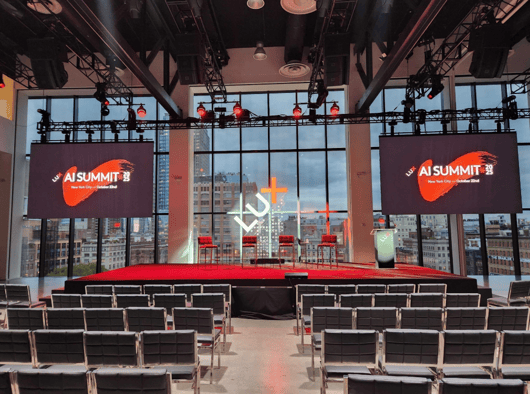
We saw this firsthand at a recent meeting for our client Lux. Because the event directly followed another Lux conference in the same venue, SEQ flipped the branding overnight so the space felt completely fresh for day two. For attendees who were there both days, the transformation was dramatic. For guests arriving just for the second event, it made the experience feel exclusive from the moment they walked in.
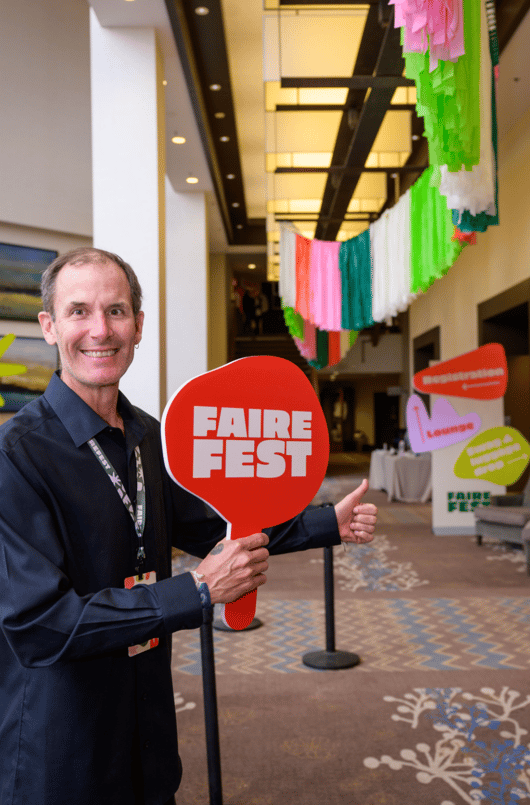
When possible, we sometimes rethink the registration setup entirely. Instead of traditional check-in tables, staff greet guests at standing stations positioned around the entrance, with an expediter guiding traffic and team members waving guests forward. Because the interaction happens at eye level rather than across a table, it feels more welcoming and keeps the arrival flow organized.
Pacing
Another thing guests notice quickly is what happens right after they arrive. Once someone checks in, is there a natural next step, like a welcome drink, a lounge area, or a clear place to gather? Or are guests left standing awkwardly, unsure where to go next?
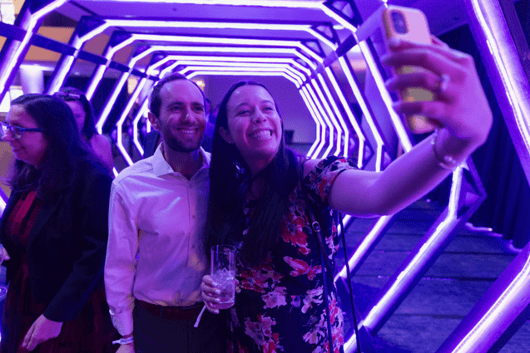
Giving people a moment to settle in lets the energy of the event build naturally instead of feeling rushed. For our client Math for America’s annual fall function, for example, SEQ designs a memorable entrance moment each year as guests move from the cocktail reception into the ballroom for dinner and the program. The hallway itself isn’t particularly remarkable, so we transform it into a themed installation tied to the event.
Guests now look forward to that transition moment each year. It creates a fun reveal, encourages people to pause, and often becomes an impromptu photo opportunity!
Visual Cues
When guests enter a space, the first thing most of them do is look around. They’re scanning the environment for orientation: Where do I go? What’s happening here? What’s the vibe?
Clear signage, strong sightlines, and thoughtful lighting help people understand the flow of the event right away. Even small details, like where the check-in table is placed or whether signage is visible from the entrance, can make the difference between people moving confidently into the space and hesitating at the door.
Sound
Sound is one of the fastest ways to shape how a space feels. Music, in particular, sends an emotional signal right away. A high-energy playlist can create excitement and movement, while softer music encourages people to slow down and talk.
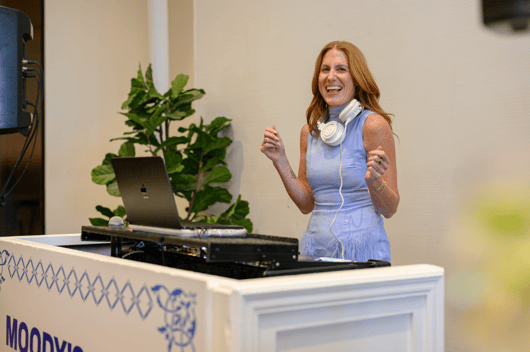
At a recent event for the Fund Finance Association, SEQ experimented with this by placing a DJ at registration. It’s a finance-focused conference where mornings are typically quieter, but the music immediately energized the space. Guests walked in smiling, conversations started faster, and the tone for the day shifted toward high-energy networking.
Human Interaction
Guests notice people before they notice most design details. The first human interaction, whether it’s a greeting at the door or a check-in conversation, often sets the emotional tone for the entire experience.
When staffers seem confident and welcoming, guests feel taken care of. On the flip side, when interactions feel tense or disorganized, guests pick up on that quickly. Even a beautifully designed event can feel uncomfortable if the human element doesn’t match the environment.
Physical Comfort
Temperature, lighting, spacing, and crowd flow all register quickly. If a room feels too hot, too crowded, or too bright, people notice. And once they do, it’s hard for them to focus on anything else.
Comfort doesn’t have to mean luxury. Often it’s about giving guests room to breathe; somewhere natural to pause after check-in, somewhere to set down a bag, somewhere to gather without blocking traffic. When people feel physically comfortable, they’re more open to conversation and exploration.
Why It Matters
First impressions don’t just influence how guests feel. They influence how they behave. When people feel comfortable and oriented from the start, they move through the space more freely and are more likely to engage with what’s happening around them.
When the beginning of an event feels thoughtful and well-paced, guests don’t have to work to figure out what’s happening. They can simply step in and start experiencing it.
Looking for a partner for your next event? Let’s connect.